Awiant shows the way to agentic AI in production
Many companies have tested generative AI, but far fewer have taken the step from AI pilot to AI in production. Succeeding takes more than new technology — the whole organisation has to be part of the change.
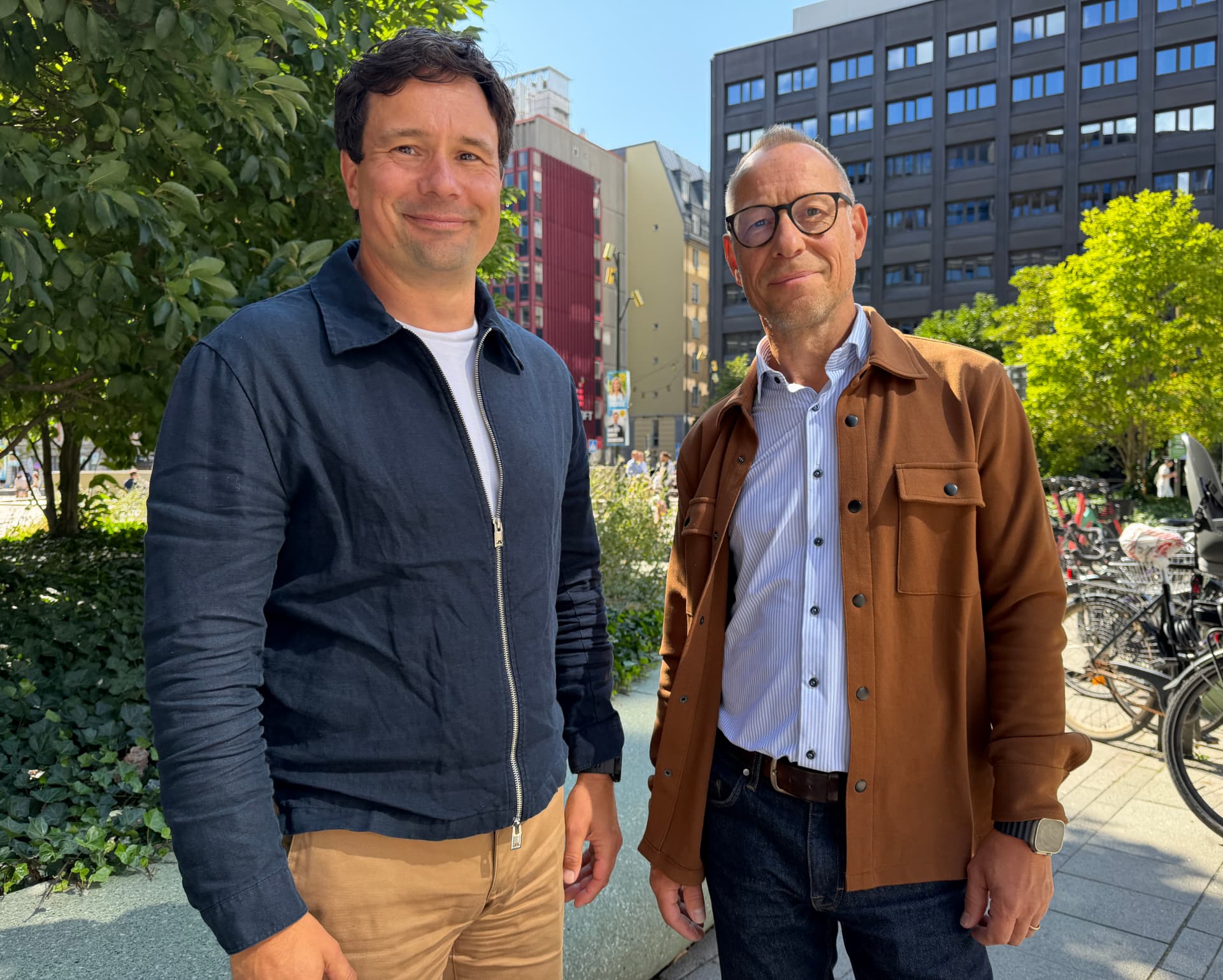
– The hard part isn't AI itself, but knowing how to get started and how to keep driving the change forward, says Johan Ribbeklint, CEO of Awiant.
AI development is moving fast, but at many companies initiatives stall at the pilot stage. Awiant helps companies move from cloud modernisation to agentic AI in production, and finds that the obstacle is rarely the technology.
– Many get stuck in planning and proof of concepts. Our advice is to pick a concrete problem where agentic AI can create business value, and put the solution into production, says Johan Ribbeklint.
Most customers don't have a finished set of requirements — they want to understand where AI can do the most good. That's why Awiant helps them identify a business-critical area where agentic AI can quickly create value. The approach is called a Lighthouse project.
– It shouldn't be an experiment that ends up on the shelf. It should solve a real problem. That's when you almost always discover more opportunities to build on, he says.
The AI project becomes the start of the next step
One example of a Lighthouse project is Awiant's work with Volkswagen Financial Services, VWFS. There, agentic AI was used to streamline a complicated invoice flow.
– The process used to take up to 20 minutes per invoice. After we rebuilt the flow together with Awiant using AI agents, the time came down to about five minutes. Now we can gradually give the agents greater autonomy and automate more processes within the same area, says Peter Petersson at VWFS.
According to him, the technology was only part of the success. Just as important was the way of working between Awiant and VWFS, where both parties operated as one joint team with close dialogue and short decision paths.
– Agentic AI is a new field and it's evolving fast, so we had to solve challenges together, without ego, making decisions along the way. The hard part isn't the new technology — the big challenges lie in getting the organisation and our existing systems in sync. Monitoring, adjusting and teaching the agents new things is a completely new way of working — it's more fun, it frees up time for other things, and we're all now looking forward to what comes next, says Peter Petersson.
Read the full case study: Agentic Invoice Processing at Volkswagen Financial Services
Experience shows that the first project often leads to more. Once the agent platform and the underlying data are in place, it becomes easier to automate further processes.
– Building an agent is the easy part. The hard part is production: controlling costs, tracking what the agents do, and knowing when they can be given greater autonomy. That work determines whether AI becomes real business value or stays a demo, says Johan Ribbeklint.
When agentic AI scales, the transformation begins
The real challenge comes when the solution needs to scale. That's when organisation, skills, data, IT platforms and ways of working are all affected.
– Leadership, the business and IT must drive the change together. Otherwise AI becomes an isolated solution that never achieves its full impact, he says, and concludes:
– The greatest value is created when companies start designing their business processes around what AI agents can do. That's when the real transformation begins.
About Awiant
Awiant helps companies move from AI strategy to AI solutions in production. The company specialises in cloud services and agentic AI, with offices in Stockholm, Malmö and Karlstad.